News
Kreativna radionica kintsugi tehnike u Sarajevu: Atelier Madoka
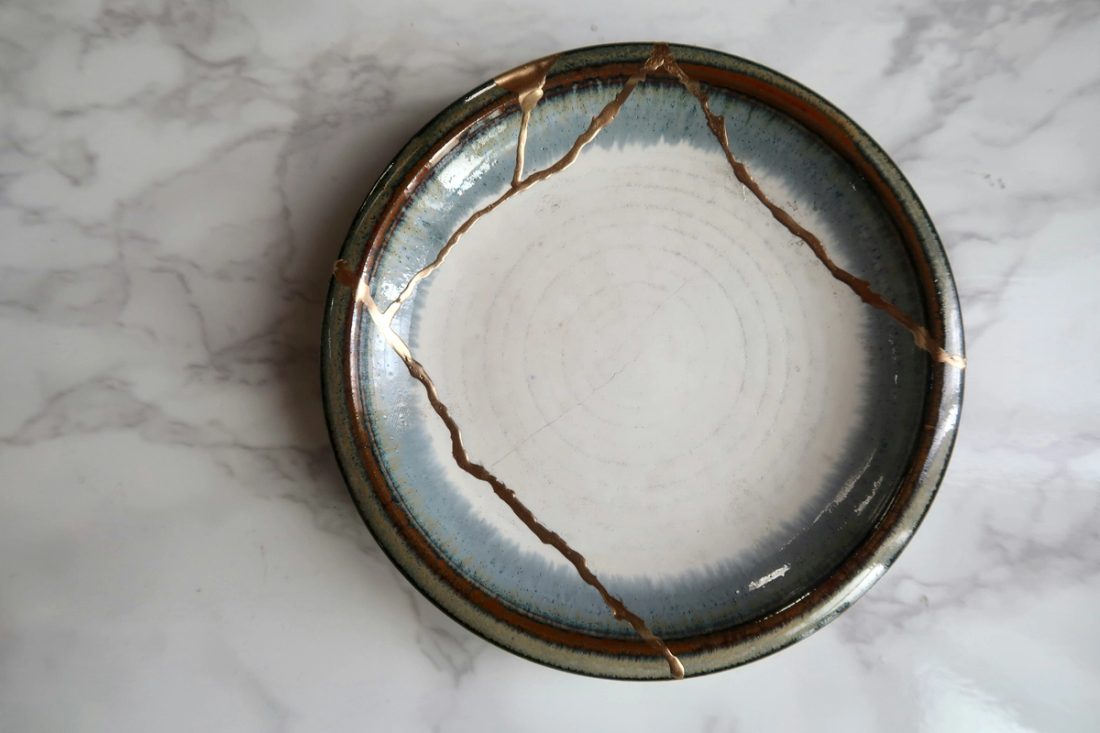
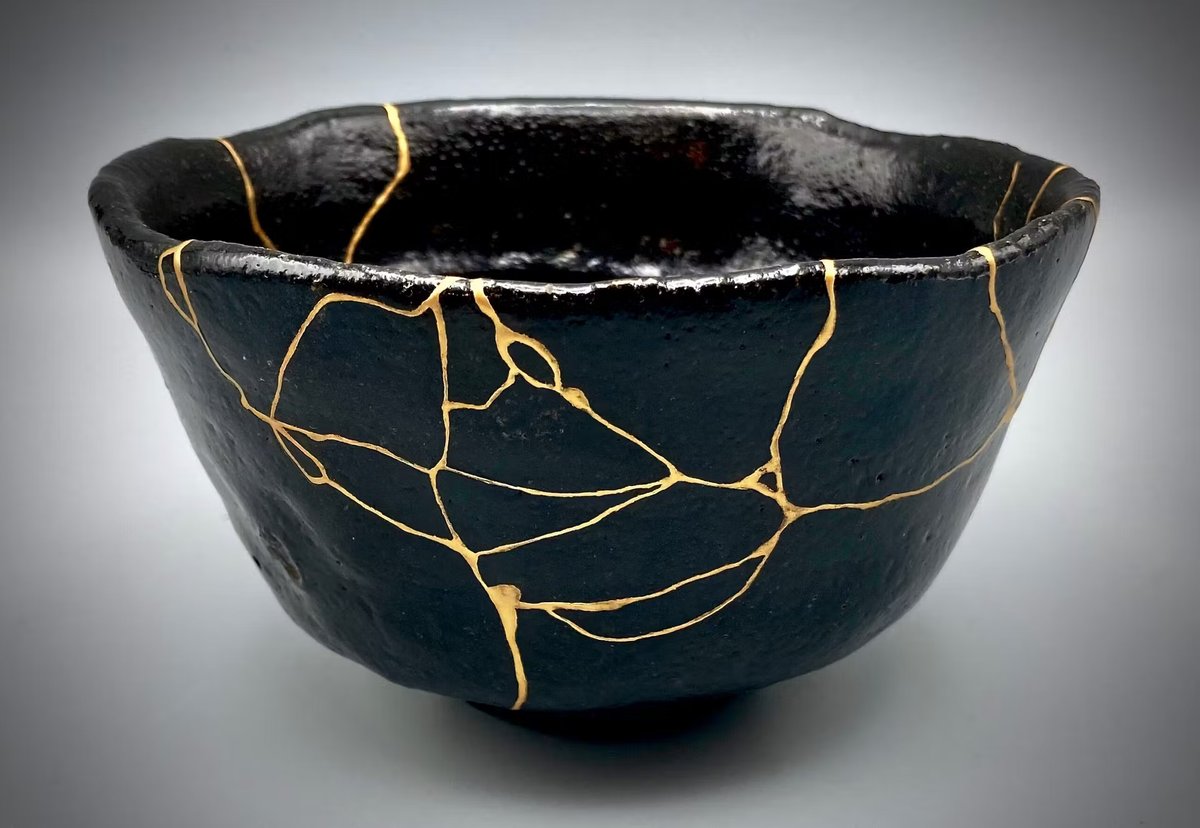
Kintsugi (Jap. 金継ぎ) is a Japanese technique for restoring broken ceramics. The specificity of this method lies in treating cracks as an integral part of the object's history, rather than eliminating or masking them. The process is based on the use of lacquer mixed with precious metals, most commonly gold or silver powder.
Historical Context
The technique developed in Japan during the late 15th century. According to historical records, Shogun Ashikaga Yoshimasa sent a damaged Chinese vessel for repair. Dissatisfied with the technical solution applied (metal staples), he demanded the development of a more aesthetically acceptable method. This resulted in the use of natural resins and metals, which over time became associated with the Wabi-sabi philosophy, advocating the acceptance of impermanence and the imperfection of materials.
Atelier Madoka: Educational Programs in Sarajevo
Atelier Madoka is a creative studio in Sarajevo that conducts educational programs and specialized workshops. Within its scope of activity, the studio provides insight into craft techniques, including kintsugi, through structured sessions led by instructors.
These creative workshops in Sarajevo are designed as practical work on specific objects. The goal is to master the restoration process, understand the properties of materials, and achieve precision in execution. The programs are open to the general public, regardless of prior experience in working with ceramics.
Methodology of Work
The restoration process using the kintsugi technique consists of several key phases:
- Preparation: Cleaning the edges of broken ceramic fragments for optimal adhesion.
- Bonding: Applying lacquer (or modern bonding agents) to the contact surfaces.
- Curing: The time required for the polymerization or drying of the binder under controlled conditions.
- Finishing: Sanding off excess lacquer and applying gold pigment along the fracture lines.
Participation Information
Atelier Madoka regularly updates the schedules for its creative workshops in Sarajevo. Given the technical nature of the work, the number of seats is limited to ensure adequate mentorship for each participant. Details regarding registration, locations, and schedules are available through the studio's official communication channels.